
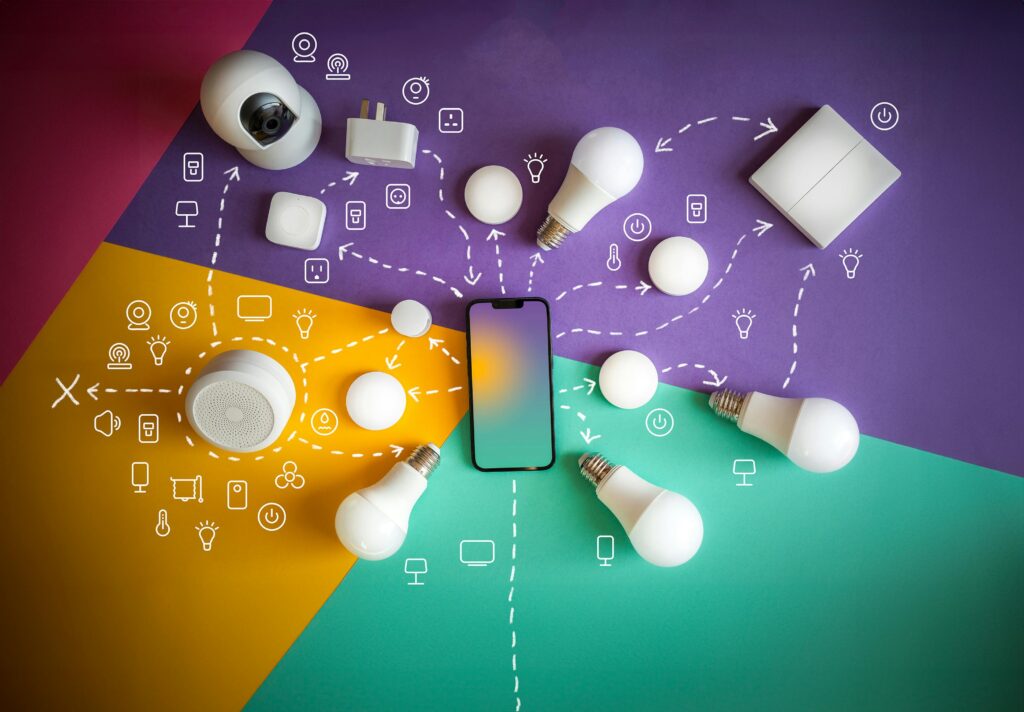
The Internet of Things (IoT) started with a promise: connect everything, send it to the cloud, and let the servers do the thinking. But now the cloud is crowded, slow, and too far away for decisions that can’t wait. Edge computing flips the model. Devices process data where it’s made—on-site, in real time. It’s faster, smarter, and built for scale. This shift is more than technical—it’s a full reset on how IoT works.
Why Instant Response Time Is Non-Negotiable
Every millisecond matters in systems like industrial robotics, remote healthcare monitors, or traffic signals. When a device waits for cloud instructions, delays creep in—delays that can cost more than time. Edge computing reduces these lags by processing data locally, so decisions can be made without roundtrips to a data center. That’s how edge devices support real-time edge responsiveness in environments that can’t afford hesitation. This shift enables smart infrastructure to react without dependence on distant servers. The results are leaner, faster systems that don’t blink when urgency strikes.
Cutting Cloud Fat for Better Efficiency
Sending every bit of sensor data to the cloud is like mailing every ingredient separately to a chef and expecting dinner. It’s slow, costly, and inefficient. With edge computing, devices can sort through raw inputs and transmit only what’s meaningful. That means fewer network demands and leaner data costs, especially in large-scale IoT deployments. Edge nodes can recognize patterns, discard redundancies, and alert only when thresholds are crossed. That’s how modern systems are trimming needless outbound data transmissions without compromising their situational awareness.
Meeting the Demand for Cybersecurity Talent
The rise of edge computing changes the rules for security. Instead of defending a central fortress, cybersecurity professionals now face a vast landscape of entry points—from street sensors to hospital devices. That decentralization calls for a new skillset: protecting data in motion and in place, securing embedded systems, and designing layered defenses across fractured surfaces. Enrolling in an accredited cybersecurity degree program helps professionals develop that toolkit. It’s not just about reacting to threats—it’s about anticipating the new risks edge introduces. As more organizations pivot to local processing, the need for capable defenders grows in every sector.
Keeping Devices Safer Without Centralized Dependence
IoT devices have always been vulnerable—often small, underpowered, and left exposed. But when everything routes to the cloud, you’re creating a single choke point, a single prize for bad actors. With edge computing, more processing happens locally, making it harder to intercept or manipulate sensitive information in transit. Deployments focused on privacy and compliance are quietly benefiting from enhanced security through local processing. Instead of chasing encryption perfection across long paths, you shorten the path itself. Local means less visible—and that’s often safer.
When the Internet Goes Down, You Don’t Have To
Remote factories, mining sites, ships at sea—these aren’t places you can always count on bandwidth. Edge computing supports operational continuity without cloud dependence, letting devices keep functioning even during connectivity dips. Industrial edge systems buffer disruptions, store data temporarily, and maintain critical automation until links restore. That resilience means fewer outages, fewer emergency rollbacks, and tighter uptime guarantees. When you don’t have to stop just because your signal’s weak, your infrastructure becomes more than connected—it becomes independent. And that’s exactly what many industries have needed.
Letting AI Happen Where the Action Is
A smart camera in a retail store doesn’t need to ask the cloud before noticing suspicious movement. Neither does a factory sensor tracking vibration patterns for predictive maintenance. By shifting processing closer to the source, edge computing makes artificial intelligence more immediate—no lag, no delay. Systems that used to wait now act. That’s the value of AI-driven edge analytics unlocking rapid decisions in environments where outcomes hinge on reaction time. It’s not about shrinking workloads—it’s about empowering insight at the exact moment it’s needed.
Turning Connectivity Into Decision Velocity
The hype around 5G was never just about speed. It was about enabling machines to make decisions at human pace—or faster. Pair that with edge computing, and you have a network that can think as fast as it moves. Autonomous vehicles navigating city streets, drones adjusting flight paths mid-air, medical robots responding instantly—none of that works if data has to leave, wait, return. These systems are built for 5G networks powered by intelligent edge computing, where decision cycles match reality. When the physical and digital worlds blur, edges aren’t optional—they’re essential.
Edge computing isn’t just a new tool—it’s a new baseline. It brings speed, cuts reliance, and puts intelligence directly into devices. IoT systems that used to send and wait now sense and act. The cloud still matters, but the edge is where things get real. For industries chasing speed and resilience, this is the pivot point. The edge is no longer optional—it’s the future.